A non-toxic easy-to-make rust-eating solution for submerging engine parts — chelation and reverse engineering Evaporust. Please don't sue me.
Rust is the absolute bane of my life. I've lived on steel boats for 15 years now. They're immersed in (and sometimes under) water, which, in combination with dissolved and atmospheric oxygen, steadily eats away at the steel.
Rust on boats is a bit like Japanese Knotweed in gardens: once it's there, it's almost impossible to eradicate. If you get even a little bit of it left at the bottom of a pit root and paint over it, the tiny amount of trapped moisture and oxygen keeps the reaction going. Hydrated iron(III) oxide, the bright orange horror that blossoms out of every crevice on the boats, takes up approximately 10x the volume of the base iron. This means it expands as it rusts, pushing off the covering paint layers and revealing more fresh steel underneath for the reaction to continue. This is what causes the ominous bubbles (followed by the weeping blisters) that you see on most vessels.
I tried to come up with a cost-effective solution to remove this microscopic pit-root rust. You can get off-the-shelf rust removers. Evaporust is a particularly good example, but its recipe is a trade secret and it's quite expensive, so I tried to reverse engineer it. I have no idea if this resultant solution is at all chemically similar to Evaporust, but it does at least work at a fraction of the price. I share this hoping that as many people see it as possible (except for the lawyers at Evaporust HQ), and that eventually through shared endeavour humanity might one day triumph against my true nemesis.
The 5% EDTA Solution
The solution uses EDTA at 5% concentration. I titrate this with sodium hydroxide to a pH of between 8 and 9, and add a small amount of surfactant (Fairy Liquid!). I leave engine parts to soak in this and find them completely free of rust within about a week.
The EDTA is a chelating agent—from the Greek Chele, meaning claw. They teach you about ionic and covalent bonds in school, but they usually skip the exact mechanism happening here: coordinate bonding.
EDTA is what chemists call a hexadentate (six-toothed) ligand. (Which is not very many teeth for a person, but a lot of teeth for a ligand). It relies on its physical geometry to form a multi-point structural lock. The molecule wraps around the iron ion and bites it from six different angles simultaneously, caging it completely. This 'claw' preferentially binds to the iron, ripping it right out of the rust matrix and holding it harmlessly in suspension.
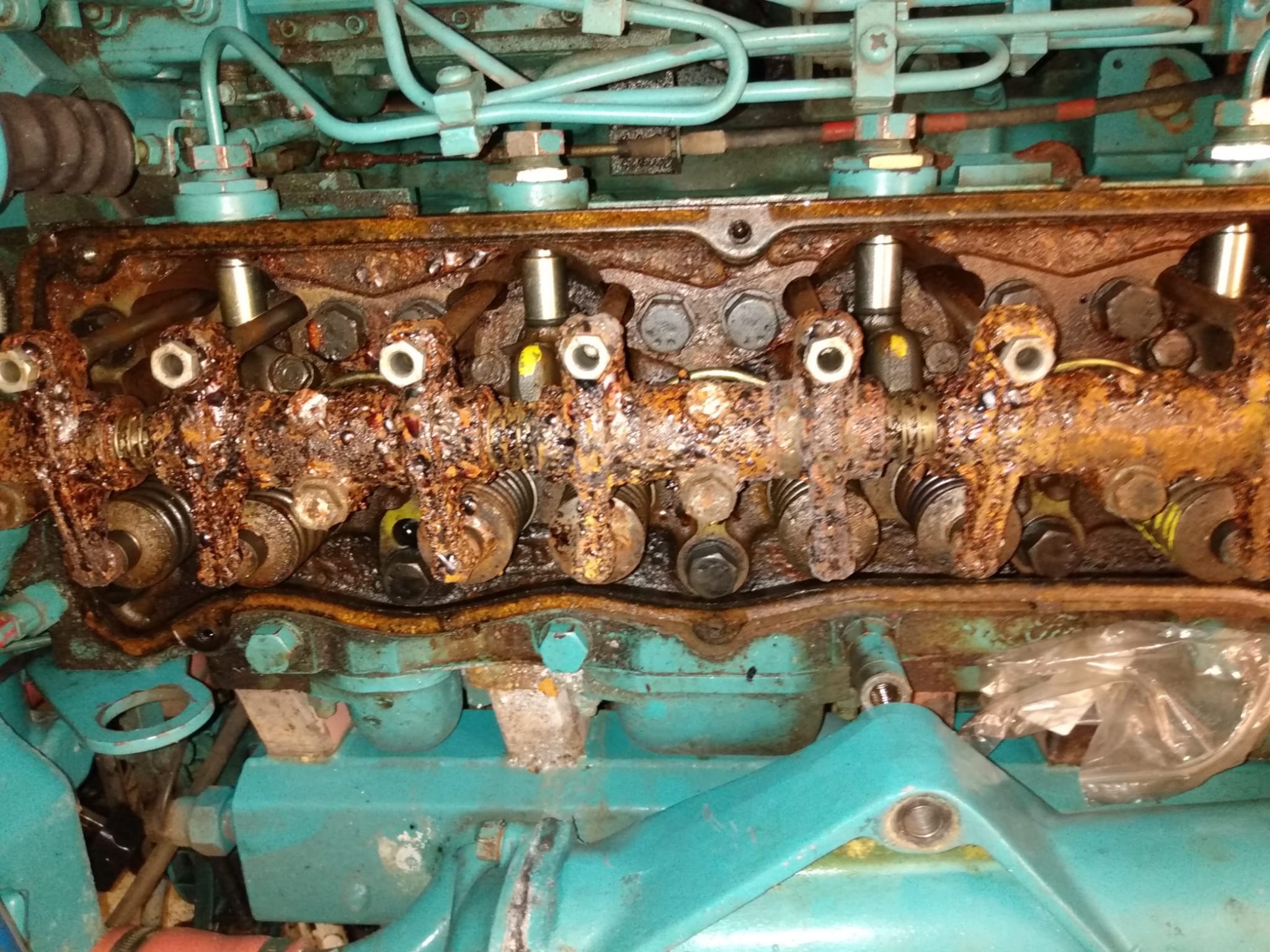
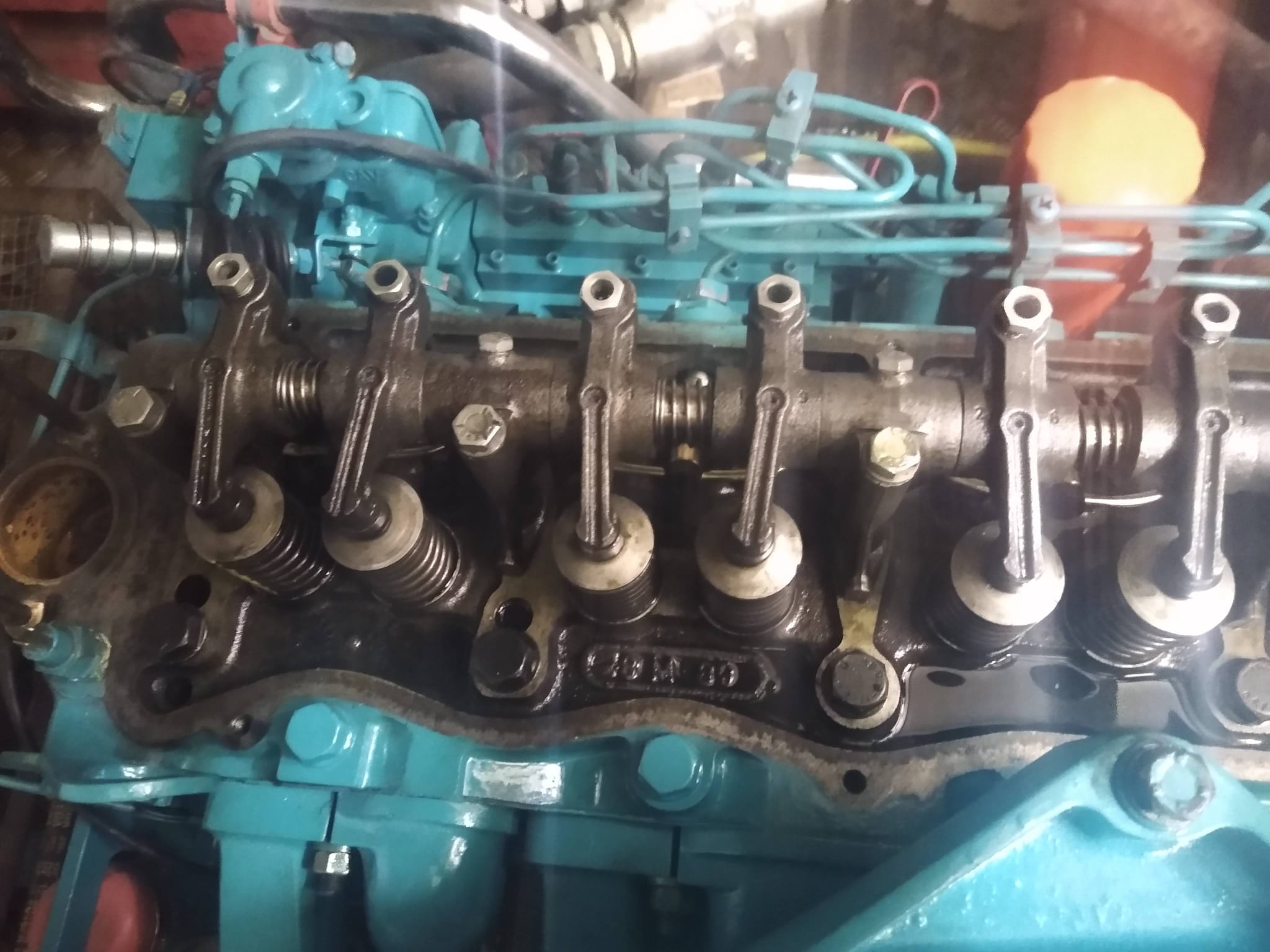
I've put some before and after photos of the heads on a dover block ford. These, as you can probably see, had been underwater for some time.